Is Thailand expensive? Real 2026 daily prices
Updated November 28, 2026
No, Thailand is not expensive for most travelers in 2026, though Bangkok rooftop bars and southern beach islands charge far more than older backpacker guides suggest. With the Thai baht trading at ฿33.93 to the US dollar in late November 2026, a street-food plate runs $1.47 to $2.36, a Bangkok BTS Skytrain ride costs $0.50 to $1.92, and a comfortable mid-range day lands around $74 to $118 per person excluding flights.
The secret to Thailand's pricing is geography. The further north you go, the further your money stretches. Chiang Mai and Chiang Rai stay remarkably cheap for food, coffee, and boutique hotels. Bangkok gives you both $2 noodle bowls and $20 cocktails on the same block. Head south to Phuket or Koh Samui during peak dry season, and hotels plus local taxis can easily run 40% to 60% higher than the mainland.
Every conversion below uses the November 27, 2026 European Central Bank cross-rate (฿33.93 per $1, or $2.95 per ฿100). All prices on this page are researched from current 2026 Thai government portals, official transit and temple fee schedules, and public hospitality listings.
What a day in Thailand actually costs
Excluding international flights, here is what one traveler typically spends per day in regular season. Couples or friends splitting a hotel room cut the lodging portion roughly in half.
| Style | Per day (THB) | Per day (USD) | What that gets you |
|---|---|---|---|
| Budget | ฿1,000 to ฿1,800 | $29 to $53 | Hostel dorm or basic A/C room, street food and mall food courts, BTS/MRT or local buses, low-cost temples |
| Mid-range | ฿2,500 to ฿4,000 | $74 to $118 | 3-to-4-star hotel with a pool, street lunches plus sit-down dinners, Grab rides, paid temples or a Thai massage |
| Comfort / splurge | ฿6,000+ | $177+ | Upscale Bangkok hotel or island pool villa, fine dining, rooftop cocktails, private transfers or boat charters |
For context, a mid-range day in Thailand sits roughly in the same ballpark as Bali in 2026, comes in well below Japan in 2026, and costs a fraction of major US or European cities. Thailand also lands in the affordable bottom half of our Big Mac Index for travelers, and actual local Thai food is far cheaper than McDonald's.
Entry rules and airport fees in 2026
Before you land, two 2026 immigration rules matter for your budget and paperwork:
- Thailand Digital Arrival Card (TDAC): Mandatory for all non-Thai travelers, submitted online within 72 hours before arrival through the official Thailand Digital Arrival Card portal. The official form is free (฿0). Skip third-party agency websites in search ads that charge service fees to fill out the exact same form.
- Visa exemption (30 days): As of September 15, 2026, Thailand replaced its temporary 60-day visa-free window with a standard 30-day visa exemption for 60 eligible nationalities, including the US, UK, Canada, Australia, and EU member states. Staying longer requires a visa in advance or an in-country 30-day extension at a Thai Immigration office for
฿1,900($56.00, £42.68, €51.11, or A$83.97). - Proposed tourist entry fee (not active yet): You may see headlines about Thailand's planned
฿450($13.26) tourist entry tax (revised up from the earlier ฿300 proposal). As of late November 2026, that fee is not being collected at immigration or in airfares yet, with rollout targeted for 2027 after final Cabinet sign-off.
Is food expensive in Thailand?
No. Street food and Thai mall food courts are still among the best bargains in global travel, and eating well here does not require hunting down hidden alleys.
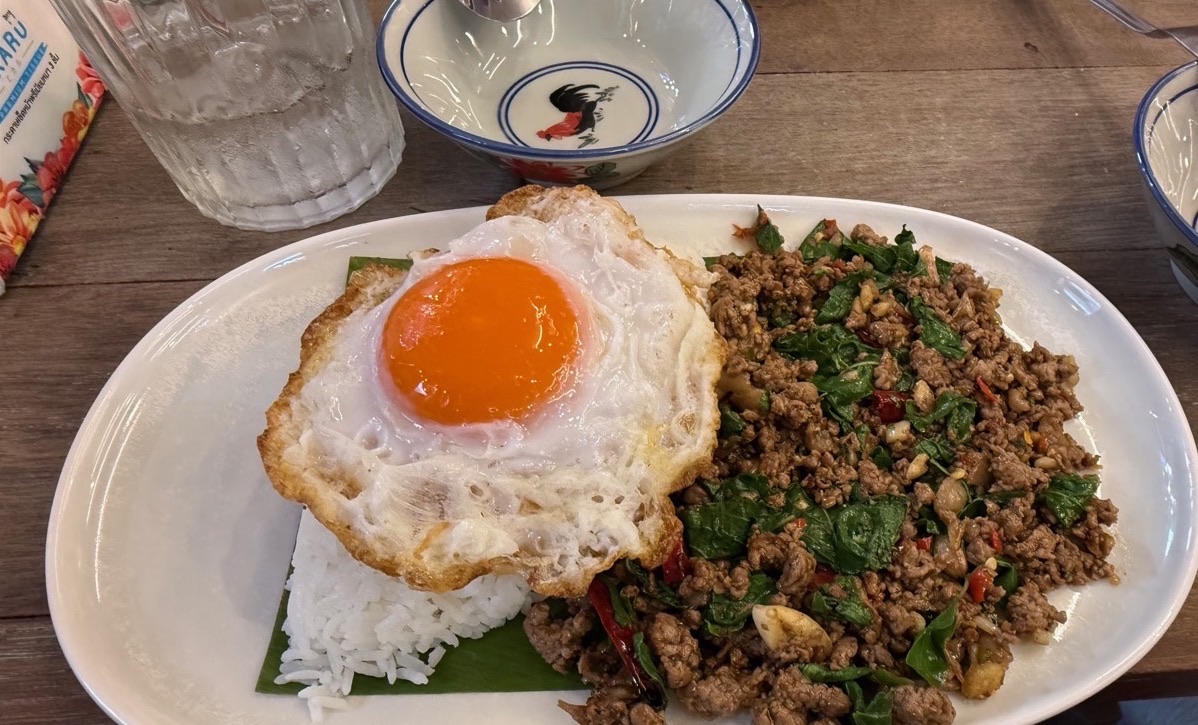
Here is what everyday eating and drinking cost across Thailand in 2026:
- Street food stalls and night markets:
฿50 to ฿80($1.47 to $2.36) for pad thai, pad kra pao (holy basil stir-fry with rice and a fried egg), boat noodles, or papaya salad. In Chiang Mai, famous bowls of khao soi curry noodles regularly sit right around฿50 to ฿70($1.47 to $2.06). - Shopping mall food courts:
฿60 to ฿150($1.77 to $4.42) per dish in air-conditioned Bangkok classics like Terminal 21's Pier 21, where prices stay surprisingly close to street level. - 7-Eleven runs: Thailand's 7-Eleven stores are on nearly every block, and the staff-pressed ham-and-cheese toasted sandwiches have a cult following for a reason. Expect
฿30 to ฿60($0.88 to $1.77) for a toasted sandwich, iced coffee, or ready-to-heat Thai meal. One checkout quirk to know: 7-Eleven enforces a ฿200 ($5.89) minimum spend for credit and debit cards, so carry cash for quick snack stops. - Specialty coffee and Thai iced tea:
฿30 to ฿50($0.88 to $1.47) for a street-cart Thai iced tea (cha yen), and฿60 to ฿120($1.77 to $3.54) for an iced latte at a Bangkok or Chiang Mai cafe. - Mid-range sit-down Thai restaurants:
฿200 to ฿450($5.89 to $13.26) per person for a main dish, rice, and a drink. - Beer and cocktails: A large Chang or Singha beer costs
฿60 to ฿80($1.77 to $2.36) at 7-Eleven or฿100 to ฿180($2.95 to $5.31) at casual bars. Sky-high Bangkok rooftop bars charge฿400 to ฿600+($11.79 to $17.68+) per cocktail before tax and service, which is basically Manhattan pricing with a better view.
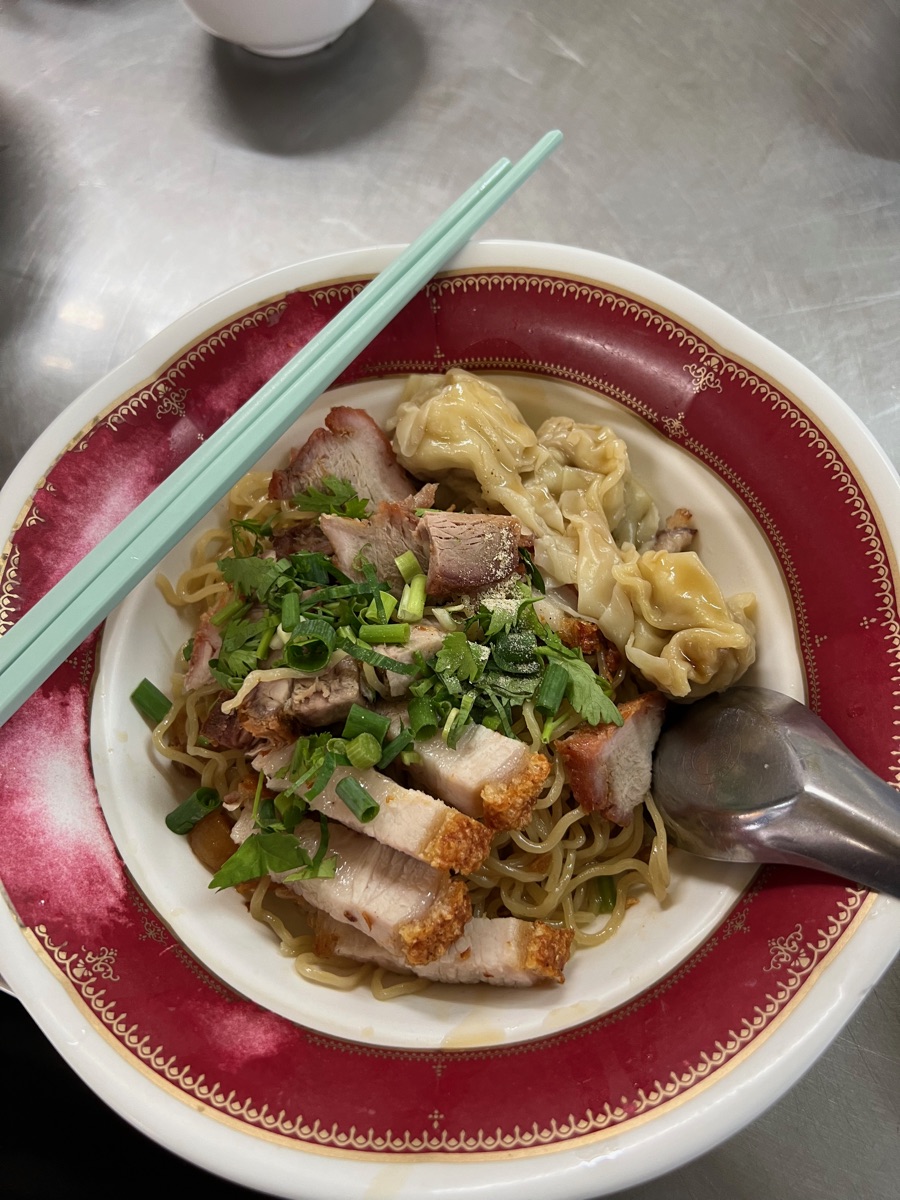
Watch for "++" on upscale restaurant and hotel menus
Street stalls, food courts, and 7-Eleven include Thailand's 7% VAT in the posted price, and tipping is not expected there. Upscale restaurants, hotel dining rooms, and rooftop bars do something different: they print ++ beside prices.
That ++ means 10% service charge plus 7% VAT, and they compound:
- A
฿1,000($29.47) dinner gets a 10% service charge, reaching฿1,100. - Then 7% VAT applies to that
฿1,100, bringing your final check to ฿1,177 ($34.69), an extra 17.7%.
When a bill already includes a 10% service charge, extra tipping is optional. At casual sit-down spots without a service charge, leaving loose change or ฿20 to ฿50 ($0.59 to $1.47) is common.
If you do serious retail shopping at malls displaying the yellow VAT Refund for Tourists sign, you can claim a partial refund on qualifying purchases of at least ฿2,000 ($58.95) per store per day via the Thai Revenue Department VAT Refund portal. Bring your passport to the store to get a P.P.10 or e-P.P.10 form, declare your goods at airport customs if required for inspection before checking luggage, and collect the refund airside; after sliding-scale calculations and handling fees, effective payouts land around 4% to 6%.
Hotels in Bangkok, Chiang Mai, and the islands
Thailand delivers serious hotel quality per dollar. What costs $75 here often feels like a $220 hotel in Europe or the United States, with rooftop pools and strong air conditioning as standard features rather than luxury upgrades.
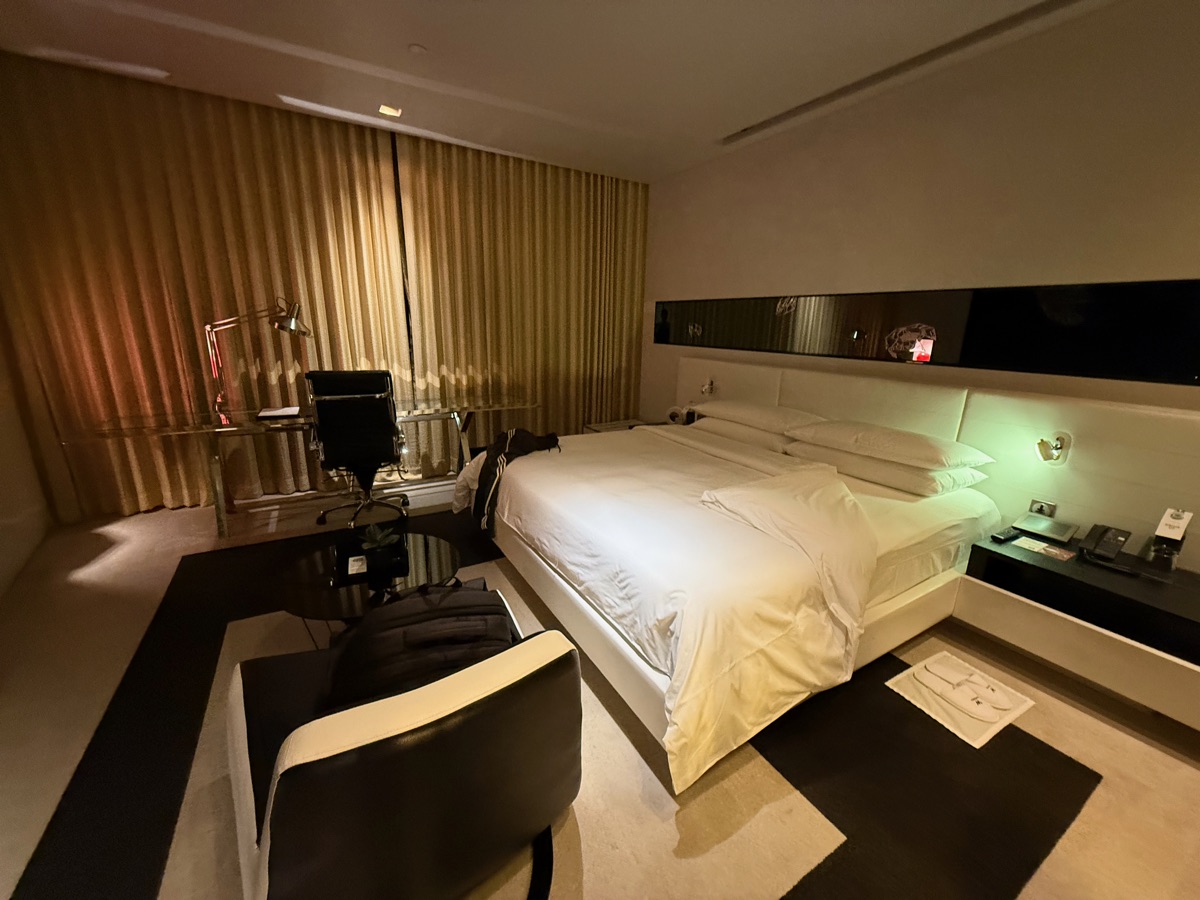
Typical regular-season 2026 nightly rates across major destinations:
- Hostel dorm beds:
฿250 to ฿600($7.37 to $17.68) a night. - Budget private A/C rooms and guesthouses:
฿600 to ฿1,200($17.68 to $35.37) a night, with Chiang Mai sitting near the bottom of that range. - Mid-range 3-to-4-star hotels:
฿1,500 to ฿3,500($44 to $103) a night for modern rooms with a pool and central location in Bangkok or Chiang Mai, or a clean beach hotel in Krabi. - Upscale resorts and island pool villas:
฿5,000 to ฿12,000+($147 to $354+) a night, scaling much higher for flagship beachfront properties in Phuket and Koh Samui.
Seasonality swings island rates hard. Peak dry season runs from November through February, with the steepest spikes around Christmas, New Year, and Songkran in mid-April. Shoulder and green-season months (May through October) routinely drop island resort prices by 30% to 50%, though monsoon timing flips between coasts (the Andaman side around Phuket and Krabi gets rain earlier, while Koh Samui stays drier until October and November).
Getting around: BTS Skytrain, Grab, taxis, and island ferries
Bangkok rail transit is fast, spotless, and cheap. Island transport is where travelers get caught off guard.
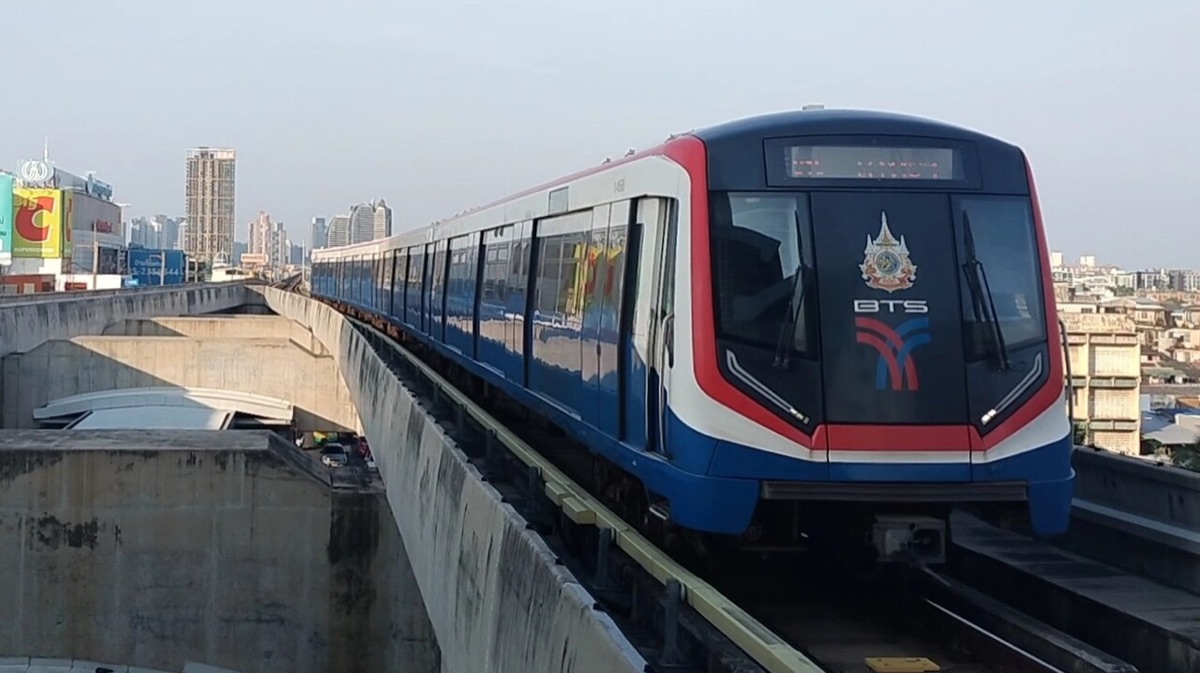
- Bangkok BTS Skytrain and MRT subway: Distance-based fares for visitors run
฿17 to ฿65($0.50 to $1.92) on the BTS Skytrain and฿17 to ฿45($0.50 to $1.33) on the MRT Bangkok Metro. Note that Thailand's 20-baht flat rail fare subsidy requires Thai National ID registration, so international visitors pay regular distance fares. - Suvarnabhumi Airport (BKK) to central Bangkok: The Airport Rail Link runs from Level B1 to Makkasan (
฿35/ $1.03) and Phaya Thai (฿45/ $1.33) in about 30 minutes with zero traffic risk. Official public metered taxis from Level 1 at Suvarnabhumi Airport start at฿35($1.03) flagfall (or฿40for large vans) plus a mandatory฿50($1.47) airport queue surcharge and฿70 to ฿140($2.06 to $4.13) in cash expressway tolls, landing at roughly฿350 to ฿550($10.32 to $16.21) total to Sukhumvit or Siam. - Grab and Bolt rides in Bangkok and Chiang Mai:
฿100 to ฿300($2.95 to $8.84) for most cross-town trips in an air-conditioned car. Tuk-tuks around tourist hubs routinely quote฿150 to ฿300($4.42 to $8.84) for short hops, which makes them a fun open-air novelty that somehow costs more than a private car with A/C. - Phuket and Koh Samui taxis: Southern islands operate on a totally different transport economy. Short beach-to-beach rides in Phuket or Koh Samui regularly run
฿300 to ฿600($8.84 to $17.68) even on ride-hailing apps, so picking a walkable base saves real money. - Island ferries and longtail boats: Shared ferries or speedboats between Phuket, Krabi, and Koh Phi Phi typically cost
฿400 to ฿900($11.79 to $26.53) one-way, while mainland-to-Koh Samui/Koh Phangan/Koh Tao joint bus-and-catamaran tickets run฿500 to ฿1,200($14.74 to $35.37). Hiring a private longtail boat for an island-hopping loop usually runs฿1,500 to ฿3,000($44 to $88) per boat, split across your group.
Temples, national parks, and Thai massages
Thailand uses dual pricing at major royal sites and national parks, where Thai nationals enter free or at nominal rates while foreign visitors pay higher conservation or admission fees. Even at the foreign rate, most big sights sit between $6 and $15, and neighborhood temples are free.
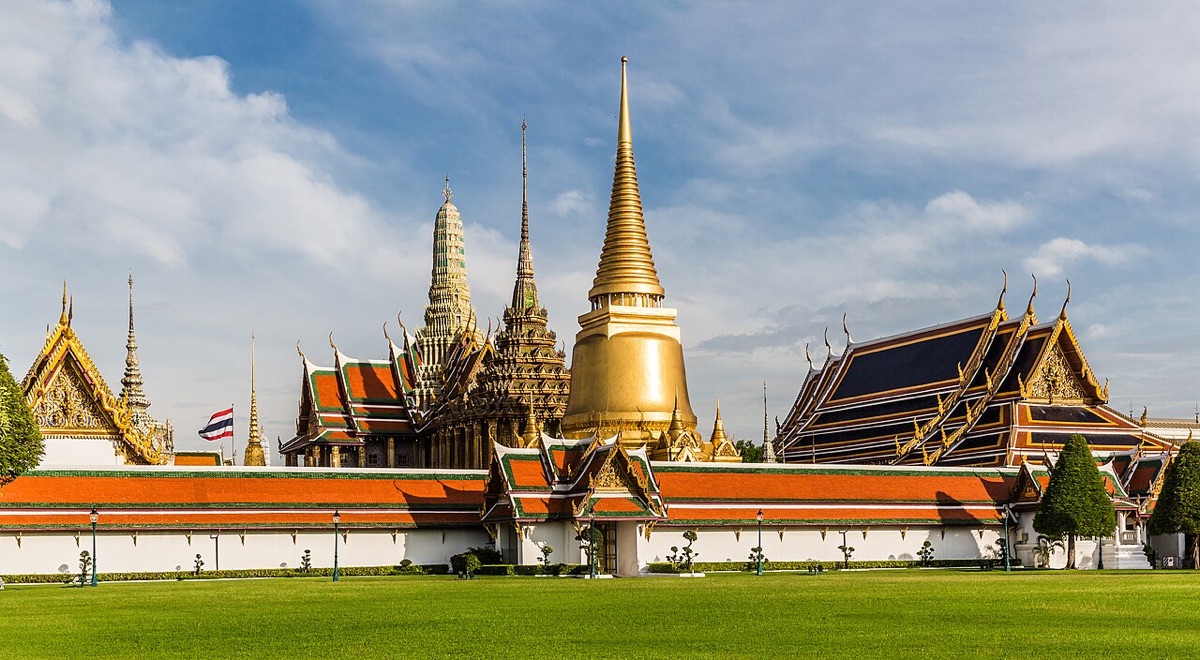
Current 2026 foreign adult admission fees at top landmarks:
| Sight | Entrance fee (THB) | In USD | Notes |
|---|---|---|---|
| The Grand Palace & Wat Phra Kaew | ฿500 | $14.74 | Includes the Temple of the Emerald Buddha and Queen Sirikit Museum of Textiles; strict dress code |
| Wat Pho (Reclining Buddha) | ฿300 | $8.84 | Children under 120 cm enter free |
| Wat Arun (Temple of Dawn) | ฿200 | $5.89 | Cross-river ferry from Tha Tien pier is just a few baht extra |
| Mu Ko Phi Phi National Park | ฿400 | $11.79 | Covers Maya Bay and Bamboo Island (usually collected in cash; Maya Bay closes Aug to Sep) |
| Doi Inthanon National Park (Chiang Mai) | ฿300 | $8.84 | Cash at gate; twin pagodas (฿100) and Kew Mae Pan trail guide (฿200/group) are separate |
| Wat Phra That Doi Suthep (Chiang Mai) | ฿30 to ฿50 | $0.88 to $1.47 | Optional cable car up the steps costs a small extra fee |
And one uniquely Thai line item worth budgeting for: a traditional one-hour Thai massage or foot massage at a clean neighborhood parlor runs ฿300 to ฿500 ($8.84 to $14.74) in Bangkok and Chiang Mai, rising slightly on beach islands and inside hotel spas.
Baht math, ATM fees, and how to stop leaking cash
Thai banknotes from the Bank of Thailand are clearly color-coded, from green ฿20 notes up to brown/grey ฿1,000 bills, so you will not confuse zeros the way people do in Vietnam or Bali. The quiet money leaks in Thailand happen at ATMs and card terminals instead.
Three habits protect your budget:
- Memorize one quick anchor: At
฿33.93per$1,฿100is roughly $3 (specifically$2.95), and฿1,000is just under $30 ($29.47). For quick mental math, divide baht by 34 for US dollars, 45 for British pounds, 37 for euros, or 23 for Australian dollars. - Watch the higher 2026 Thai ATM fees: Older travel guides still quote a universal
฿220ATM fee, which is outdated at many major banks. Major Thai banks including Kasikornbank, Bangkok Bank, SCB, and Krungsri have shifted foreign-card ATM fees to ฿250 ($7.37) for foreign Visa and UnionPay cards and up to ฿350 ($10.32) for foreign Mastercard withdrawals. Always check the fee shown on screen before tapping confirm, test a Visa debit card first if you carry both, and withdraw฿20,000 to ฿30,000($589 to $884) in one pull rather than paying that flat charge five times. - Always decline ATM and card conversion: When an ATM or restaurant terminal asks if you want to be billed in USD, GBP, EUR, or AUD instead of THB, always choose Thai Baht (without conversion). Accepting the machine's rate triggers Dynamic Currency Conversion and quietly adds 3% to 10%+ to your bill. We break down the exact math in our guide on paying in local currency vs. USD.
Here is what ฿100, ฿1,000, and ฿10,000 equal across five major visitor currencies as of November 27, 2026:
| Currency | ฿100 | ฿1,000 | ฿10,000 |
|---|---|---|---|
| US Dollar (USD) | $2.95 | $29.47 | $294.73 |
| British Pound (GBP) | £2.25 | £22.46 | £224.61 |
| Euro (EUR) | €2.69 | €26.90 | €268.98 |
| Australian Dollar (AUD) | A$4.42 | A$44.20 | A$441.97 |
| Canadian Dollar (CAD) | C$4.20 | C$41.98 | C$419.83 |
What can still make Thailand expensive
Thailand stays cheap when you eat and move locally, and gets pricey fast if five costs stack up:
- Long-haul flights. Economy round-trip fares from North America or Europe often run $800 to $1,500+ in peak winter months, outweighing ten days of hotels and street food combined.
- Phuket and Koh Samui high-season resorts. Waiting until December to book beachfront rooms easily doubles nightly prices compared to booking early or staying in Krabi or Chiang Mai.
- Island taxis and private speedboats. A couple of
฿500($14.74) Phuket taxi rides a day add up faster than meals do. - Rooftop cocktails and imported wine. Thailand taxes imported wine and spirits steeply; stick to local beer or fresh fruit shakes if you want your bar tab to stay gentle.
- Small ATM withdrawals and card DCC. Pulling
฿2,000($58.95) at a time with a฿250($7.37) or฿350($10.32) foreign ATM fee is a self-inflicted 12% to 17% surcharge before you spend a single baht.
Before you go
A few tools and guides to save before you fly:
- Print a wallet card: Our Thailand baht cheat sheet gives you dated conversions for ฿100, ฿1,000, and everyday amounts in USD, GBP, EUR, AUD, and more.
- Avoid the ATM and terminal markup: Read should I pay in local currency or USD? before touching a Thai ATM or hotel card reader.
- Comparing Southeast Asia stops? Check our 2026 Bali cost breakdown, see how Thailand stacks up in the Big Mac Index for travelers, or run any hotel quote through our travel currency calculator.
Or let your phone handle the baht math at the night market. Point Kahei's camera at a menu board or shelf price, or type a number in, and it converts baht into your home currency right away using saved daily rates, even when you are offline on an island ferry.
Euro reference rates from the European Central Bank; cross-rates calculated by Kahei.