Is ¥1,000 a lot in Japan? What ¥1,000, ¥5,000 and ¥10,000 actually buy
Updated November 21, 2026
No, ¥1,000 is not a lot of money in Japan: it is about $6.30 (as of November 20, 2026). That is enough for a cheap convenience store lunch, a beef bowl, or a few subway rides, and not much else.
The extra zeros trip everyone up on day one. Handing over a crisp ¥1,000 note feels dramatic until you remember yen has no cents, so dropping two zeros gives you a rough ballpark in dollars (and with today's weak yen, even less). Here is what Japan's three everyday banknotes are worth as of November 20, 2026, at ¥158.64 per $1 (European Central Bank):
| Yen | USD | EUR | GBP | What it feels like |
|---|---|---|---|---|
| ¥1,000 | $6.30 | €5.74 | £4.80 | A cheap lunch, snacks, or a day of local trains |
| ¥5,000 | $32 | €29 | £24 | Dinner for two, a paid museum day, or an izakaya tab |
| ¥10,000 | $63 | €57 | £48 | A full day out (without hotel) or a business hotel night |
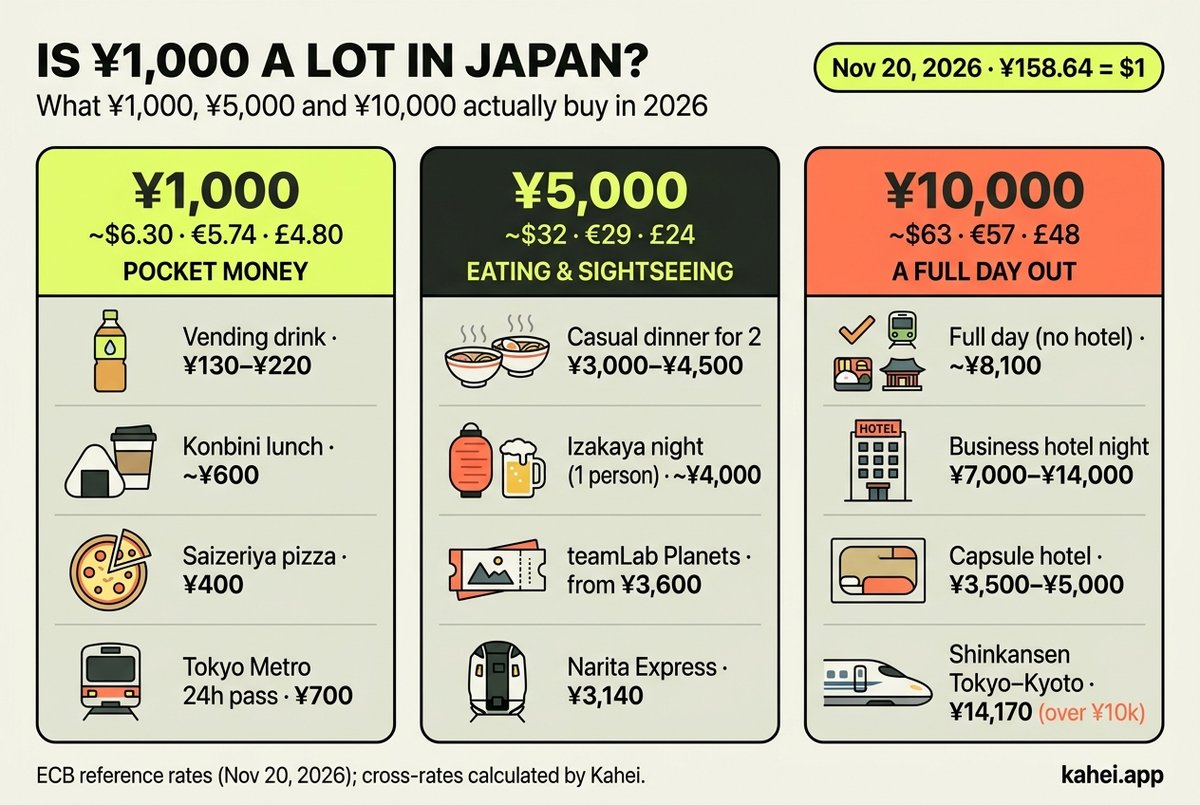
How much is ¥1,000 in Japan?
Think of ¥1,000 as your pocket-money bill. It is the smallest paper note (Ministry of Finance), and you will break dozens of them into ¥100 and ¥500 coins before your trip is over.
Here is what one ¥1,000 note buys in 2026:
- Vending machine drinks: Street machines charge ¥130 to ¥140 for water and ¥150 to ¥220 for 500ml tea, soda, or canned coffee. One note gets you five or six drinks.
- A convenience store lunch: Two standard onigiri at 7-Eleven or Lawson (¥170 to ¥235 each) plus a regular freshly brewed coffee (¥140 at 7-Eleven) lands around ¥550 to ¥610. A full bento box (¥450 to ¥750) plus bottled tea still leaves you with coins.
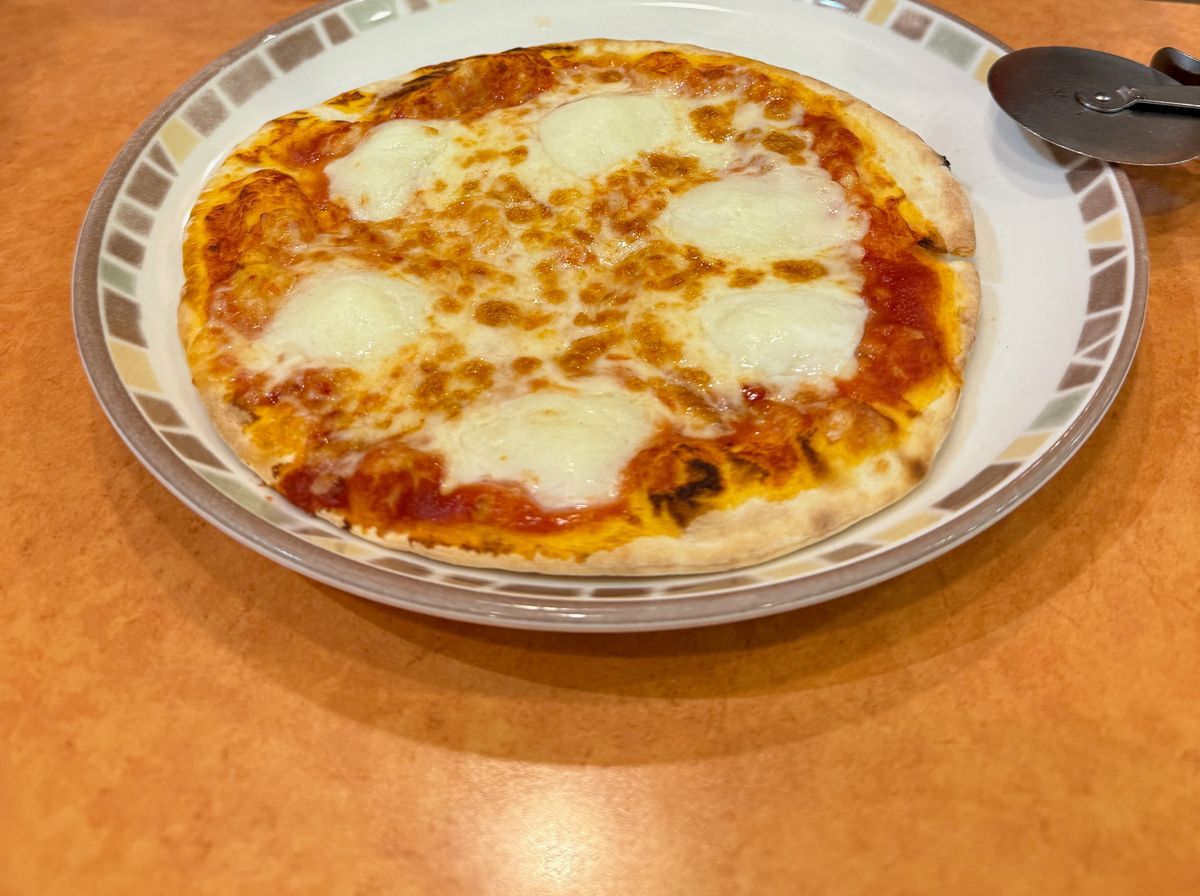
- A real chain dinner: On our November 2025 trip, we walked into the Saizeriya by Toyama Station and ordered a whole buffalo mozzarella pizza for ¥400 ($2.50) and four pieces of spicy chicken for ¥300 ($1.90). Both together were ¥700.
- Street snacks and temples: Deep-fried curry bread in Yokohama cost us ¥500 ($3.15). Entry to Kyoto's Kinkaku-ji (Golden Pavilion) is ¥500.
- Local Tokyo transit: A Tokyo Metro 24-hour ticket is ¥700, and single IC-card subway rides start at ¥178.
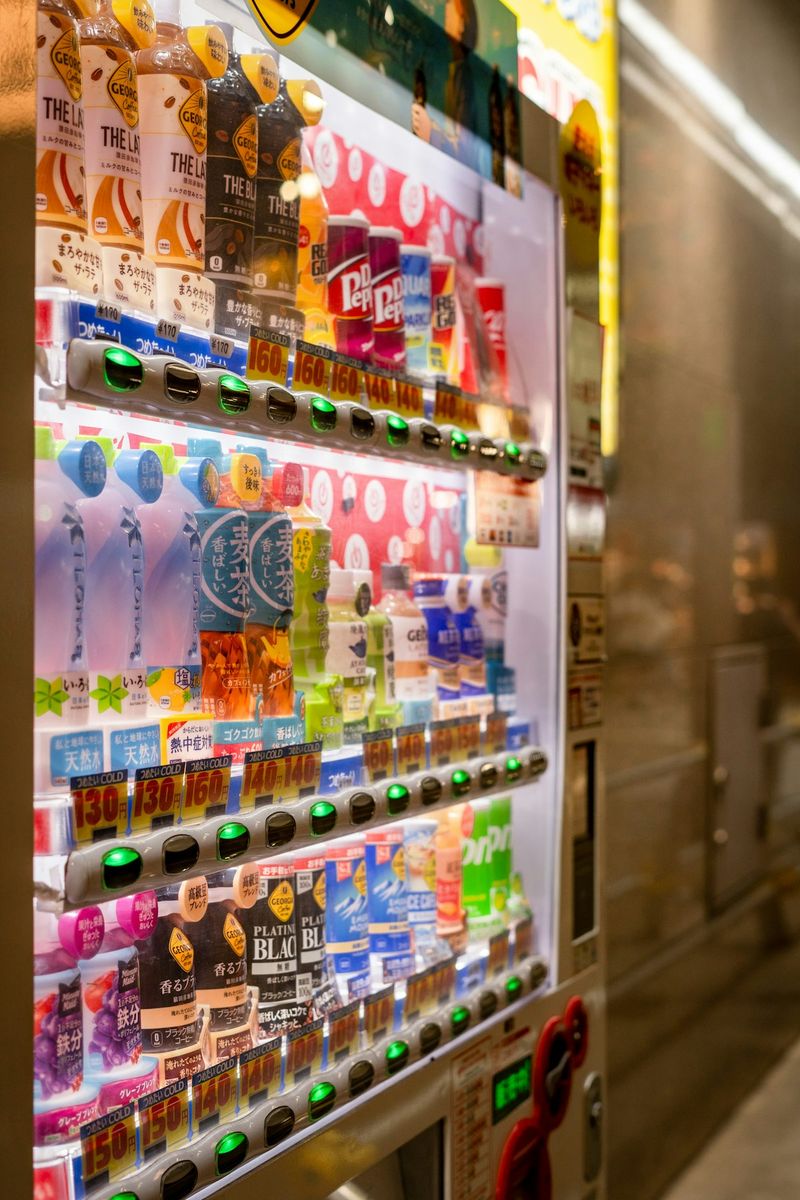
Where ¥1,000 comes up short: a normal sit-down lunch set with rice, soup, and a main usually runs ¥1,200 to ¥2,000. Our hamburg steak set in Yokohama was ¥1,441, and curry at Bondy in Tokyo was ¥1,700. Carry a second bill before sitting down at a restaurant.
What ¥5,000 buys (about $32)
The ¥5,000 note is the real working bill for eating out and sightseeing. ATMs rarely hand it out, so you mostly get it as change when you break a ¥10,000.
With ¥5,000 you can cover:
- Dinner for two at a casual spot: Two ramen bowls or set-menu dinners plus drinks usually land between ¥3,000 and ¥4,500, with no tip expected.
- A splurge bowl: The single priciest dish on our ten-day trip was a snow crab, sweet shrimp, and salmon roe bowl in Kanazawa for ¥4,200 ($26).
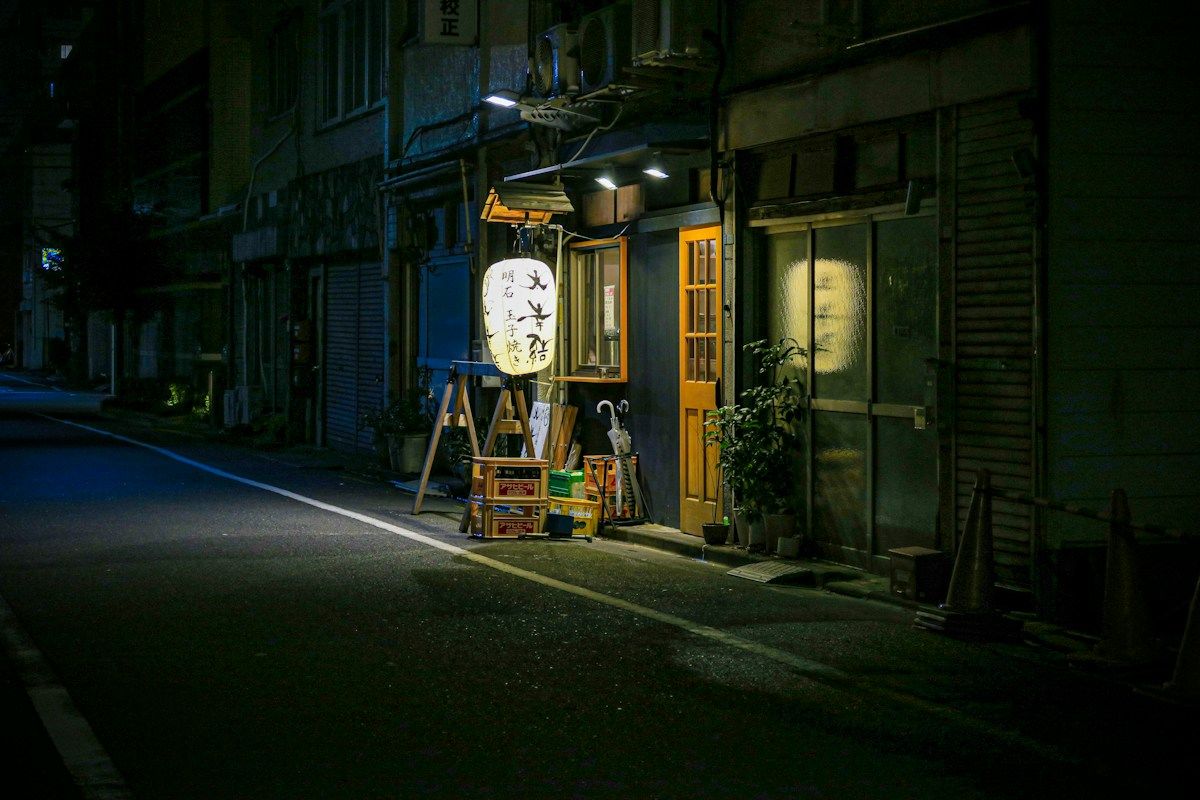
- A solid night at a neighborhood izakaya: Several small plates and two or three draft beers for one person.
- Big-ticket sightseeing: A timed ticket to teamLab Planets (from ¥3,600 to ¥3,800 on quieter days) plus train fare and a coffee, or a ¥1,000 Tokyo National Museum ticket followed by a nice lunch.
- An airport express train: The Narita Express to Tokyo Station is ¥3,140 one-way, leaving enough for a ¥1,200 bowl of ramen once you roll off the platform.
Is ¥10,000 a lot? And is ¥10,000 a day enough?
Walking away from a 7-Eleven ATM with a stack of ¥10,000 bills feels like you just won a briefcase on a game show. In reality, each note is about $63. It is not a fortune, though it stretches much further in Japan than $63 stretches in New York or London.
Here is the honest answer to "is ¥10,000 a day enough in Japan?"
- Without your hotel: yes, comfortably. If your room is already paid for, ¥10,000 a day covers a konbini breakfast (¥600), a sit-down lunch (¥1,500), a good dinner with a drink (¥3,000), local trains (¥1,000), coffee and snacks (¥1,000), and temple or museum entry (¥1,000) with ¥1,900 left over. The two things that blow through it in one shot are intercity Shinkansen tickets (Tokyo to Kyoto is ¥14,170 reserved) and multi-stop seafood or wagyu binges. We once dropped ¥17,300 in Kanazawa before dinner.
- With your hotel included: tight. A regular-season business hotel like Toyoko Inn or APA runs ¥7,000 to ¥14,000 a night on its own. To stay under ¥10,000 total per day, you need a ¥3,500 to ¥5,000 capsule hotel or hostel bed and mostly convenience store or chain meals.
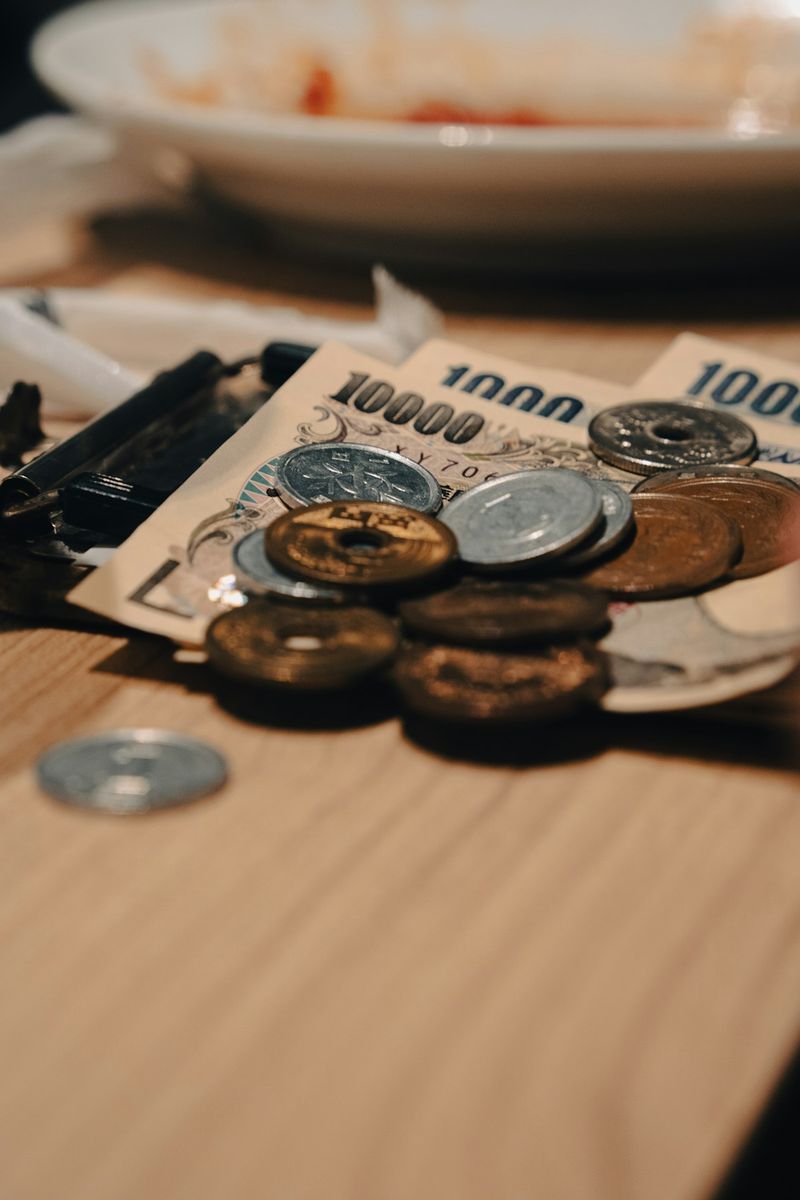
Keep the numbers handy
- Check live build-date rates: Our Japan yen cheat sheet converts ¥100 to ¥50,000 into USD, EUR, GBP, AUD, and CAD, with a wallet card you can print.
- Figure out how much yen to carry: Read how much cash to bring to Japan for 7-Eleven and JP Post ATM fees, Suica top-ups, and cash-only spots.
- See real meal receipts: Read what 17 real meals in Japan cost us, cheapest first.
- Plan the whole trip: Our 2026 Japan cost breakdown covers hotels, Shinkansen math, and daily budgets, and do prices in Japan include tax? explains the two-price tags.
Or skip the mental math completely. Point Kahei at any yen price tag or menu and it shows the cost in your home currency live and offline.
Euro reference rates from the European Central Bank; cross-rates calculated by Kahei.